(Bloomberg) – Canada’s preliminary trade deal with the US caught Mexican officials and business leaders off guard. Now, Mexico wants one of its own, as questions grow over whether months of painstaking engagement can deliver comparable tariff relief from President Donald Trump.
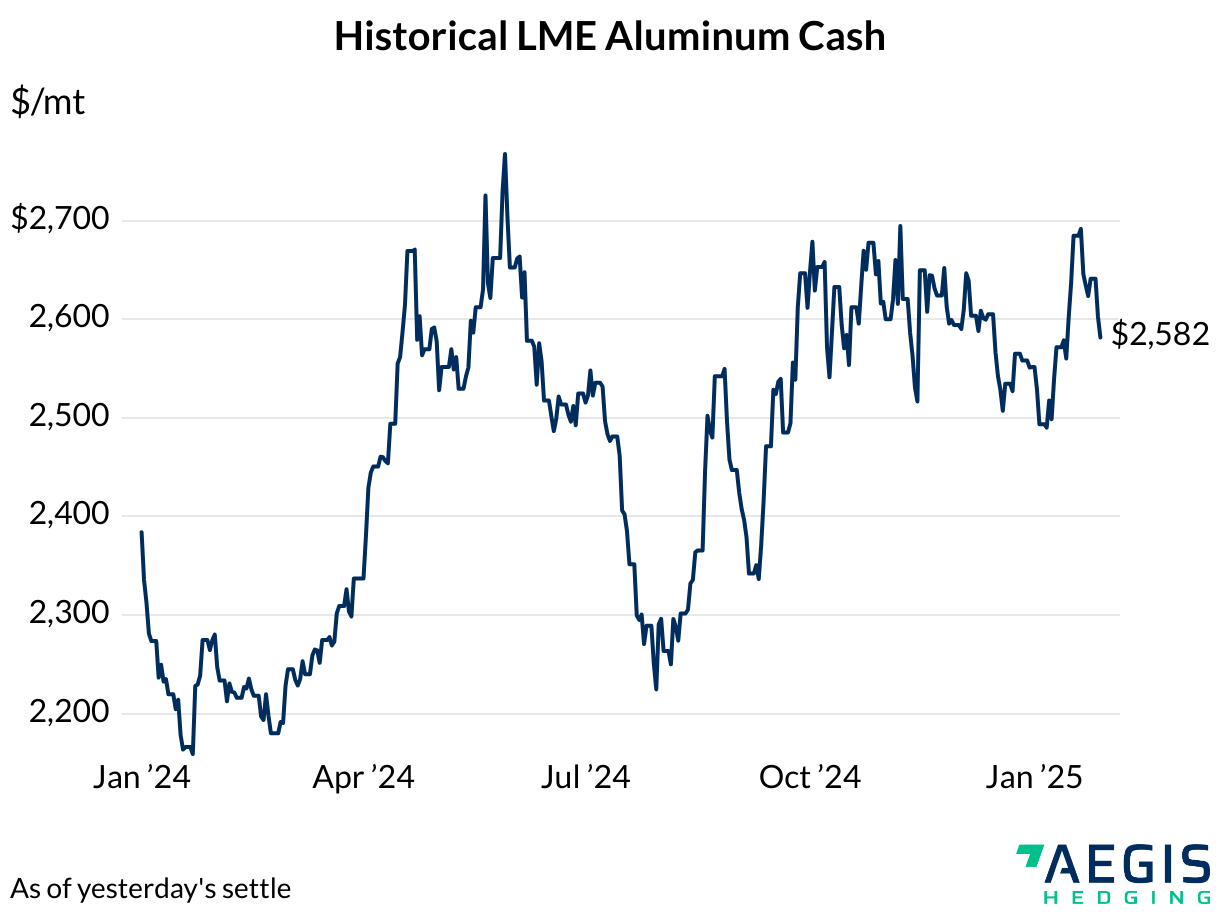
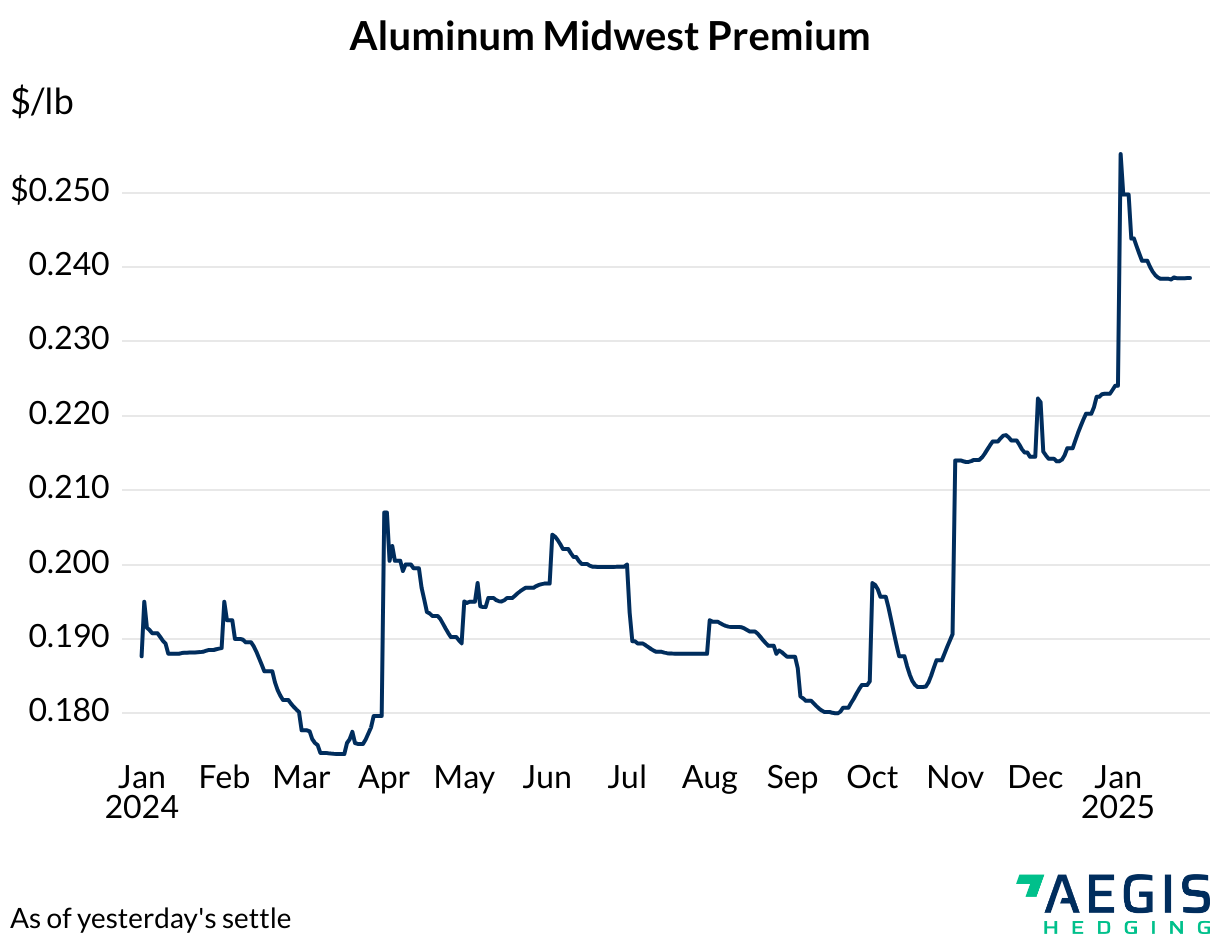
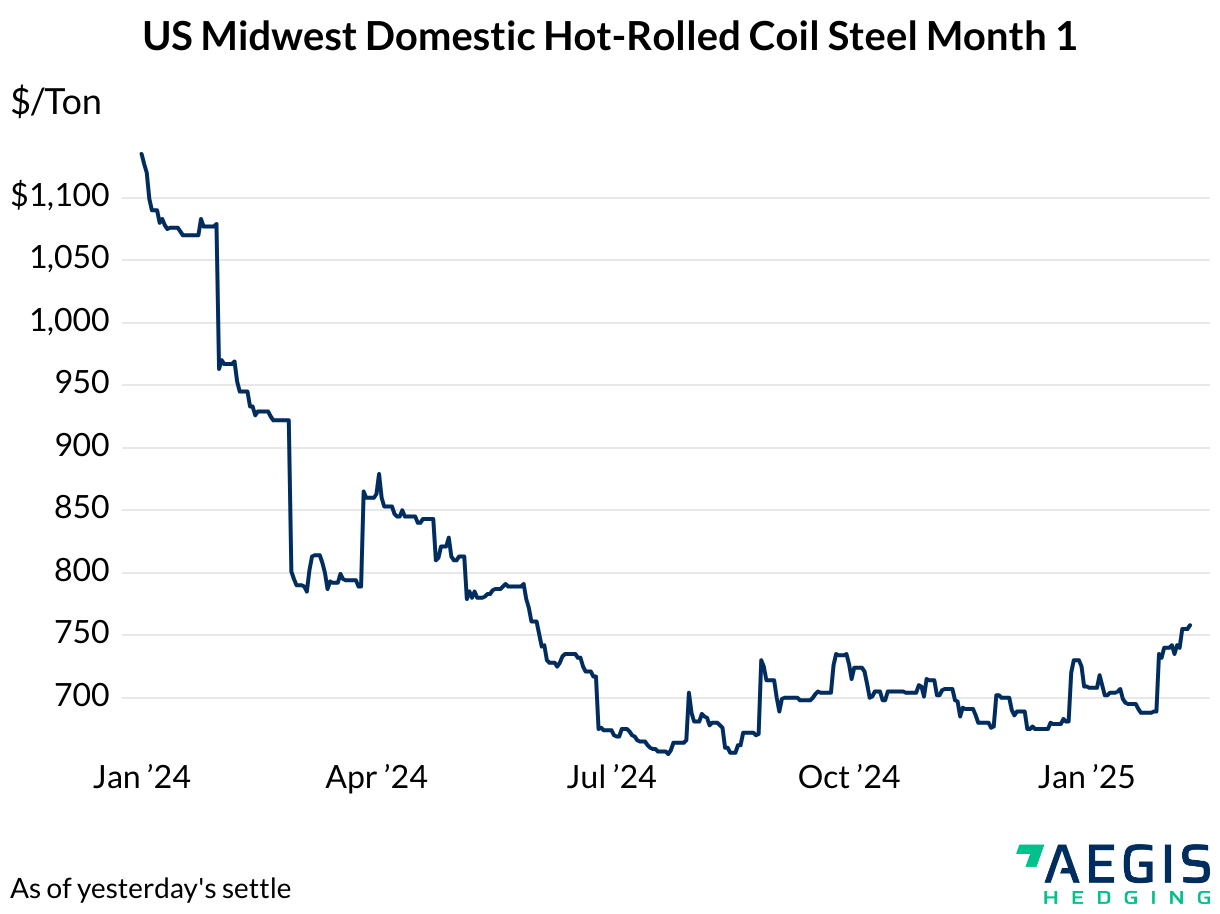
After a weeklong negotiation that avoided US tariffs on a wide range of products, Ottawa and Washington reached a tentative deal to lower them on certain Canadian steel and aluminum products to 25% while cutting duties on Canadian autos to 15%. Both are key demands made by Mexican negotiators in its trade talks with the Trump administration.
Canada’s draft agreement, though the details have yet to be finalized, adds pressure on Mexican negotiators to secure comparable relief from US import duties, according to a Mexican official familiar with the matter. Several of the concessions obtained by the Canadians address the same sectors and measures Mexico has raised in its own talks with Washington, the person said, requesting anonymity to candidly discuss the government’s strategy.
Mexico’s economy ministry, which oversees foreign trade, declined to comment.
The surprise US-Canada breakthrough could sharpen scrutiny of Mexico’s strategy after months of negotiations that haven’t yet produced similar results. It also gives Mexican officials a clearer benchmark as they push for relief for industries including metals and autos, the person said.
While Canadian Prime Minister Mark Carney for months adopted a more confrontational stance, President Claudia Sheinbaum instead shunned retaliation, favoring her trademark “cool-headed” approach to keep channels open while seeking tariff exemptions through negotiation. The US and Mexico held three bilateral rounds of trade talks from May through July, covering many of the same key exporting industries.
Mexican officials pointed to that engagement — plus concessions on non-trade matters like enhanced security cooperation with the US — as evidence that Sheinbaum’s negotiators were outpacing Canada’s in high-stakes discussions over the future of the USMCA North American free trade pact. But that view is now being questioned.
A major USMCA extension has proved elusive, while concrete relief from punishing US tariffs has been limited, even as Mexican officials say about 85% of US-bound exports continue to enter duty-free under the USMCA. Still, vehicles, steel and aluminum remain subject to sector-specific US tariffs, which has put those industries at the center of the bilateral talks.
Business leaders in Mexico’s auto and steel sectors argue that the emerging US-Canada agreement has significantly weakened the Mexican government’s view that early engagement put its exports in a privileged position. They spoke on condition of anonymity to discuss sensitive negotiations.
The focus now shifts to whether months of negotiations and growing alignment with Washington on China can deliver relief for the industries still paying Trump’s tariffs, according to a person in the auto industry.