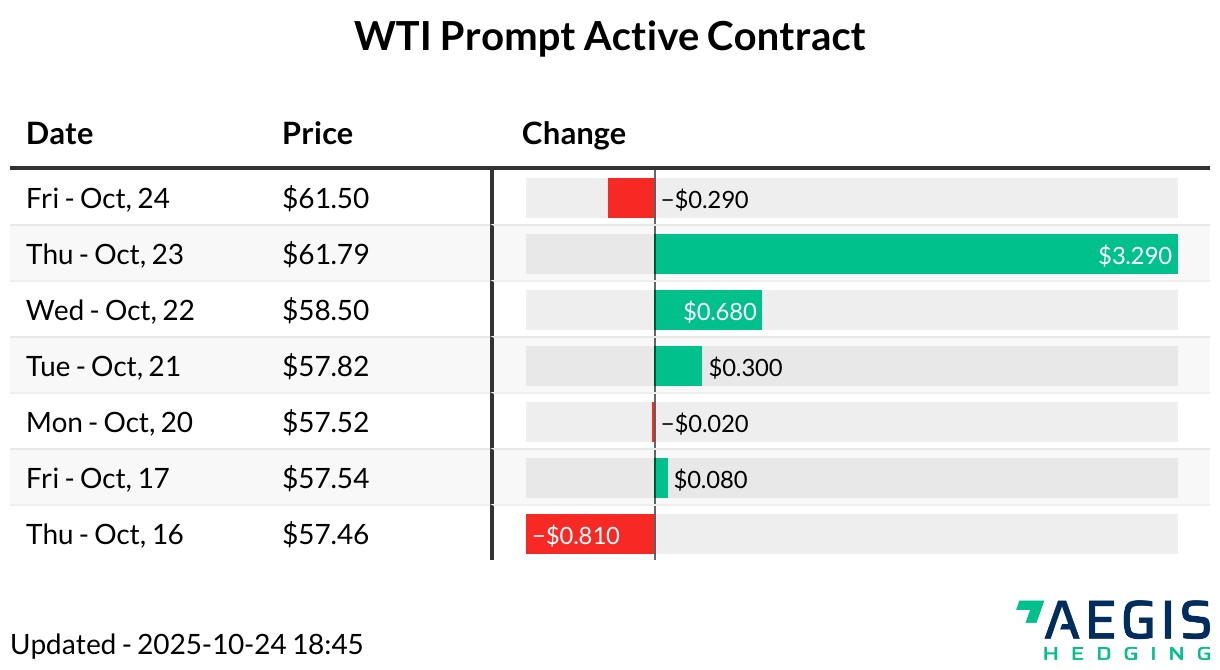
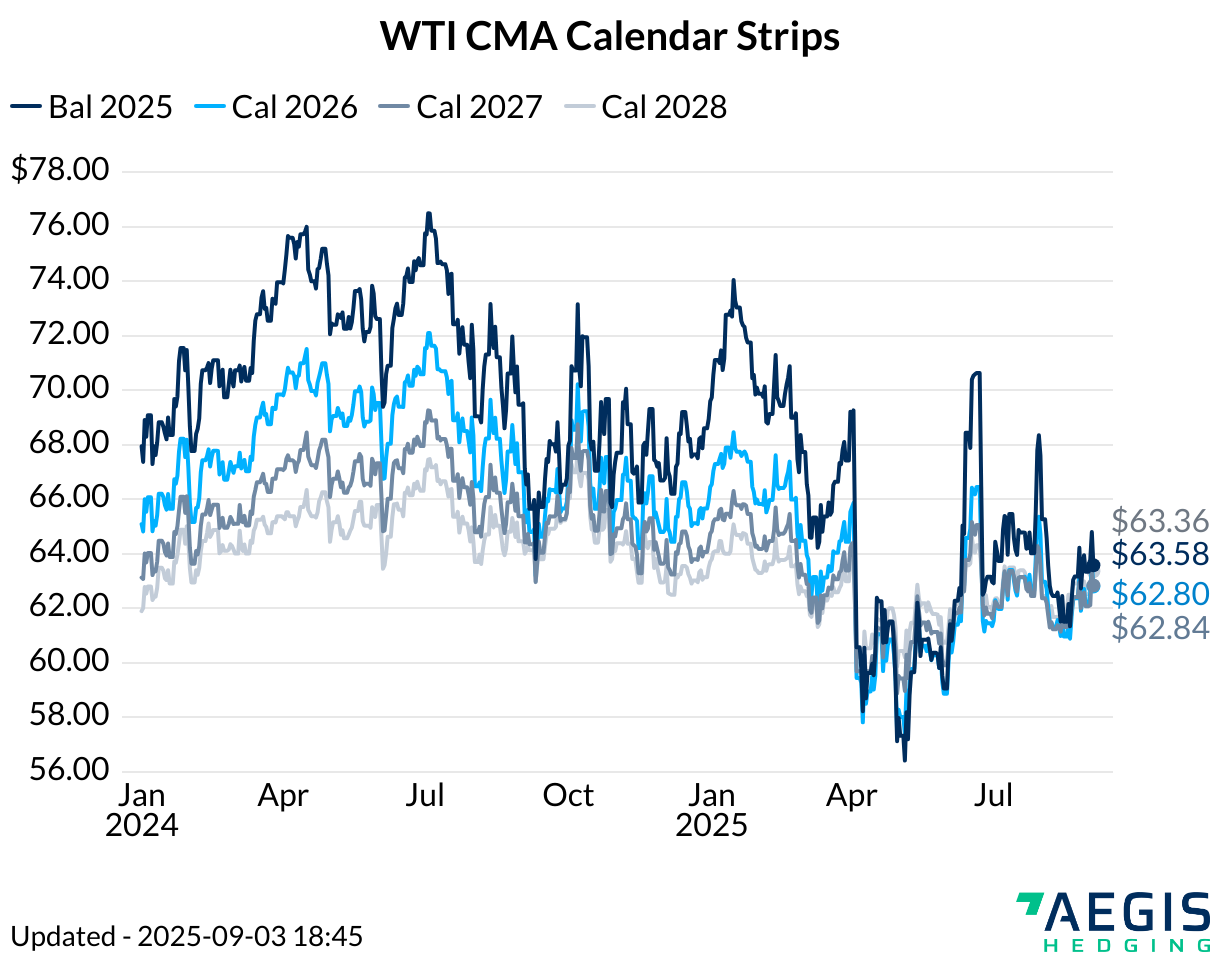
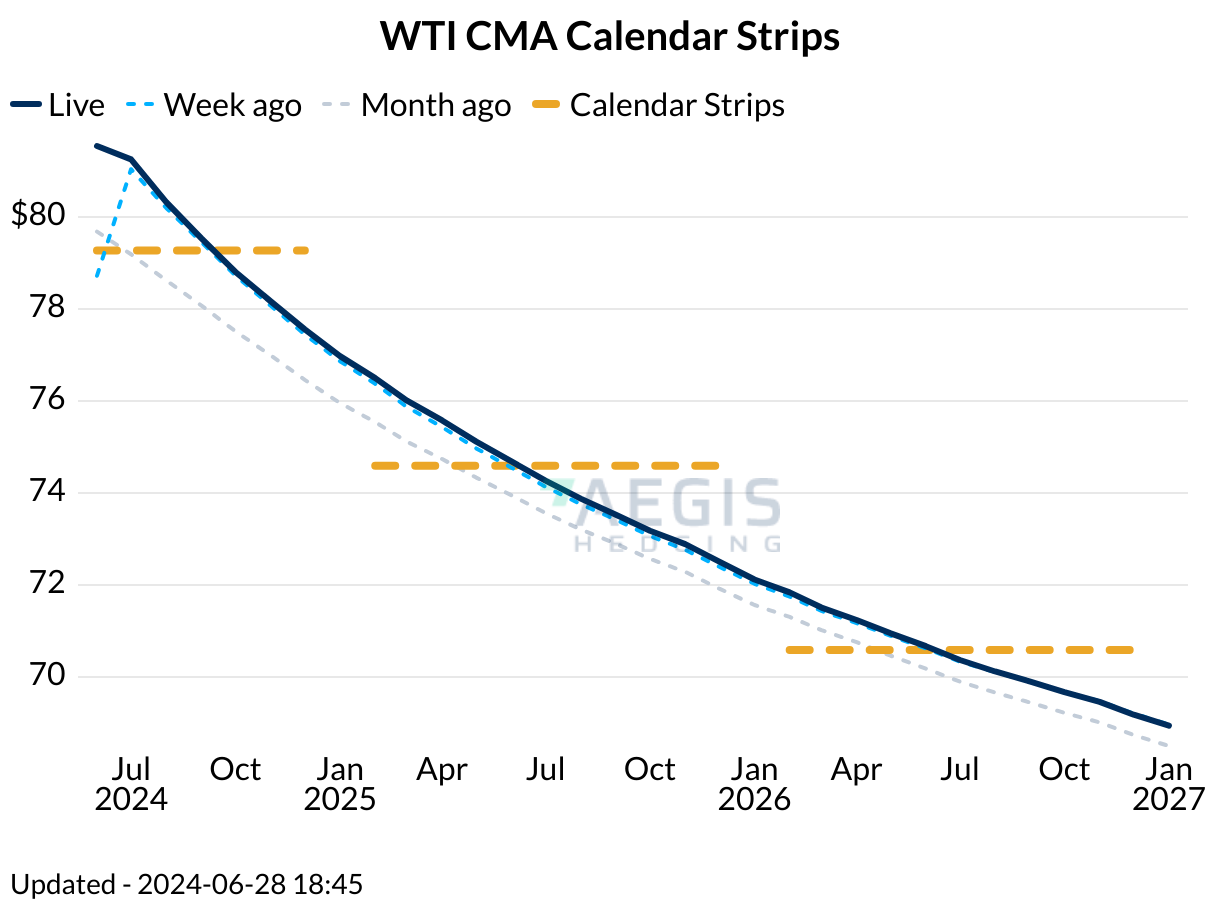
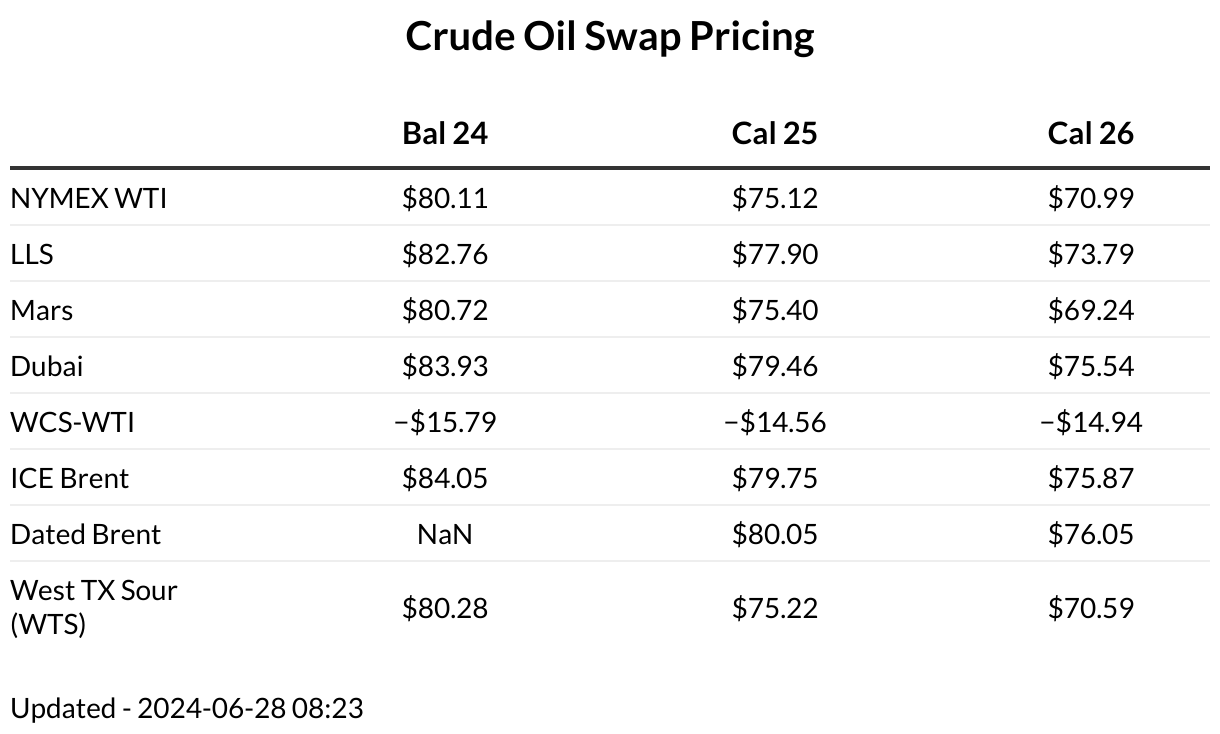
The WTI front-month contract rose $2.77 to $95.80/Bbl Wednesday morning (7:43 AM CT)
US Central Command said the military destroyed five Iranian tankers following an attempted attack on a US Navy warship
Chinese crude purchases have rebounded as flows through the Strait of Hormuz remain constrained, according to Bloomberg
The shift has increased demand for alternative supplies, pushing up prices for African, Canadian and Latin American crude
On Tuesday, Yemen’s Houthis claimed they targeted Saudi Arabia’s 400 MBbl/d Jazan refinery and other facilities supplying the domestic market, forcing the complex to shut down
Vortexa estimates that the volume of oil held aboard ships at sea has declined by more than 150 MMBbl since mid-July
“The key indicator to watch is whether this will put an end to the heavy shuttling of oil through the Strait of Hormuz,” said Arne Lohmann Rasmussen of Global Risk Management
“It may not come to a complete halt, but combined with the more aggressive Houthis in the Red Sea and higher Chinese crude oil imports, the global oil market balance appears to be deteriorating again,” he added
Gas moves lower despite warming in the forecast period
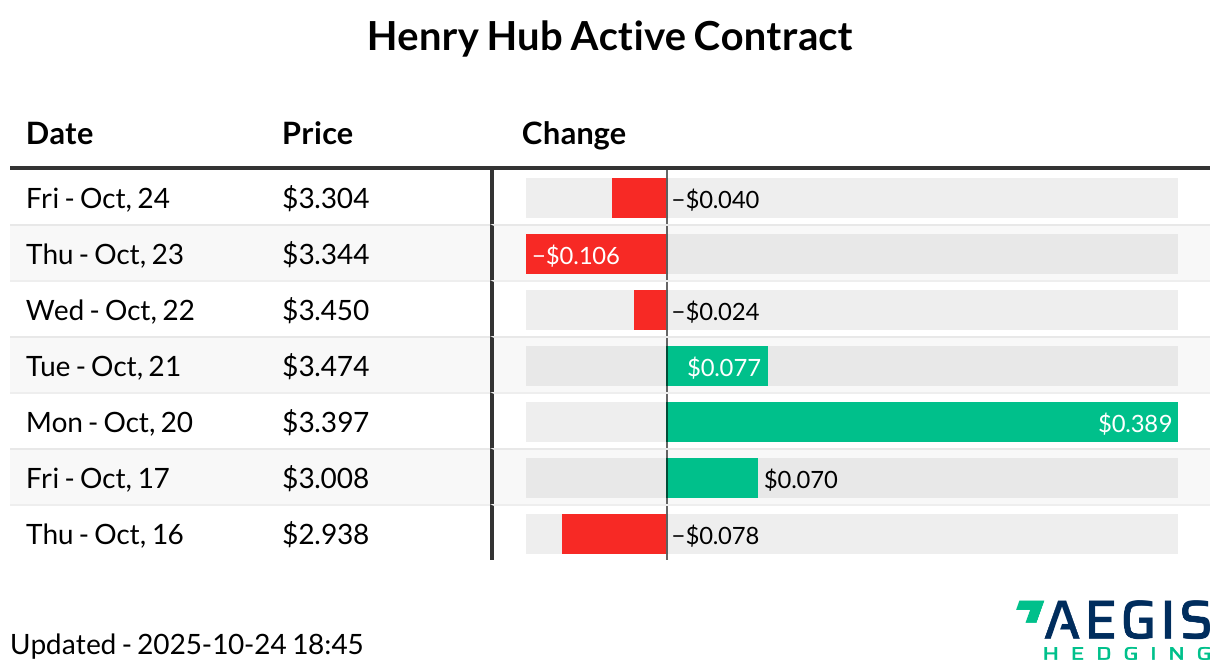
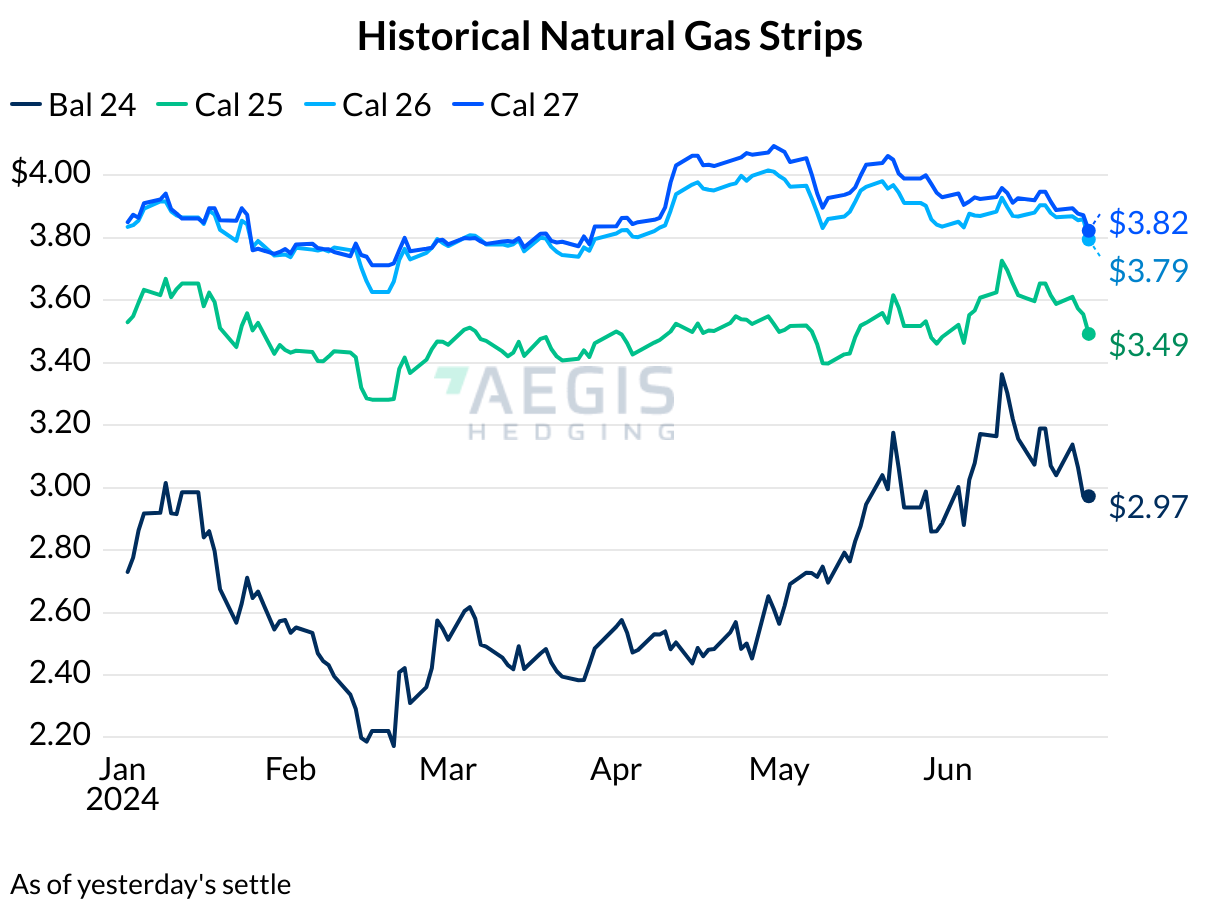
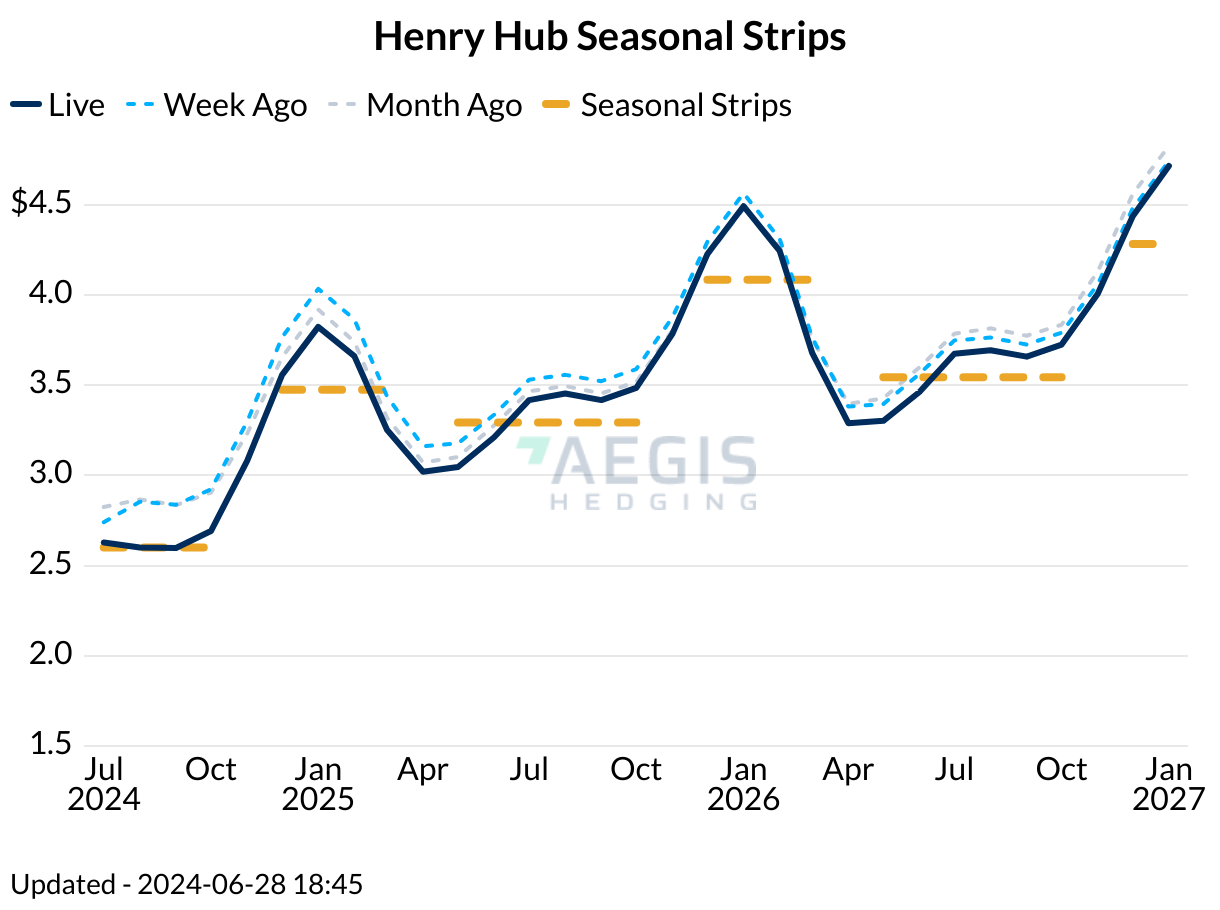
Natural gas is down -6.6c to $2.85/MMBtu (As of 07:43 AM CDT)
The L48 warmed around 6°F cumulatively across the forecast period
Warming was centered in the 6-10 day range, as it look increasingly likely that late September will cool significantly, bringing an end to peak summer heat (Criterion)
CDDs are expected to fall below 5 by the end of the two-week period
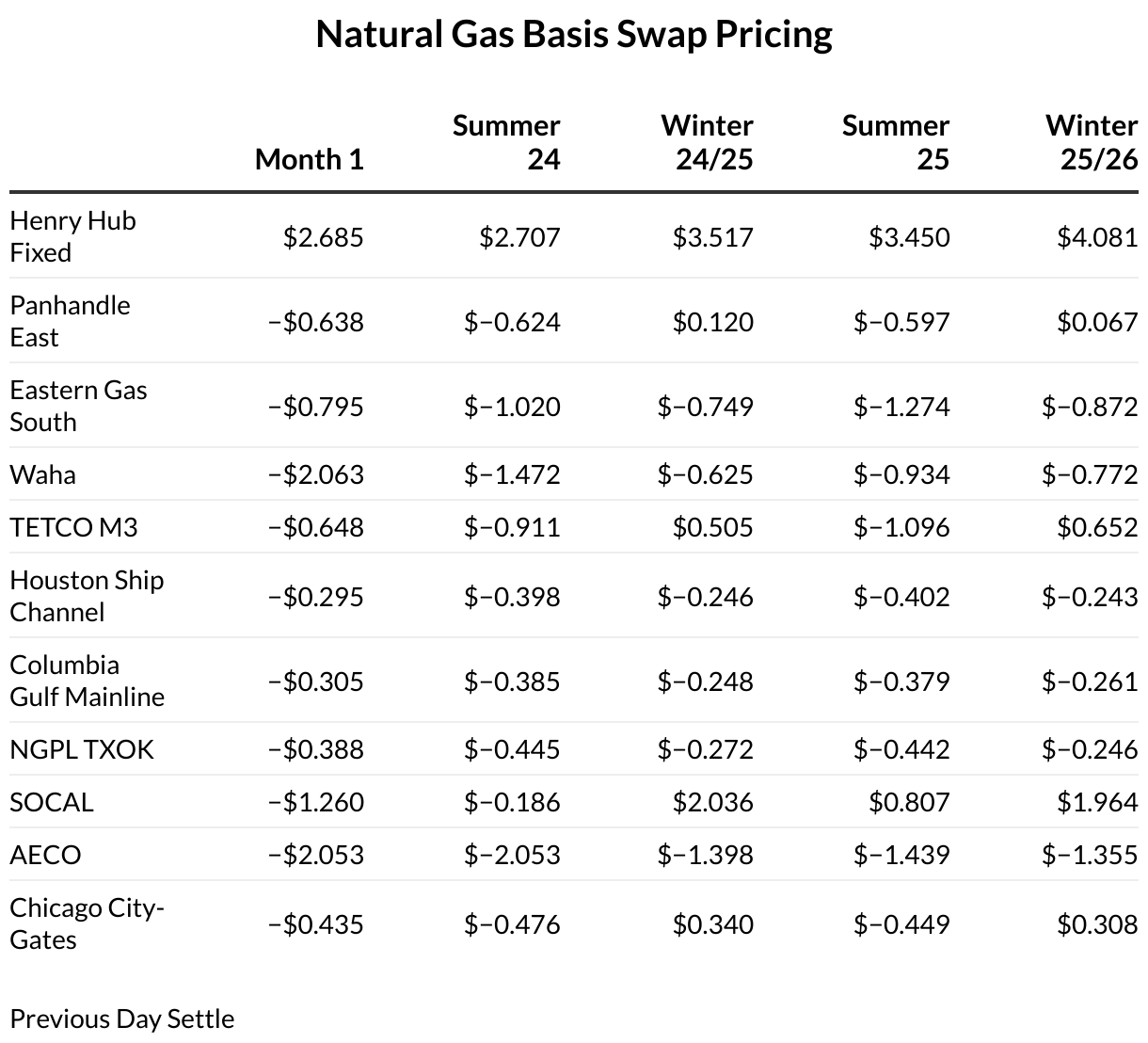
Basis prices are showing a broad decline
Since 2018, 13 hubs have priced above Henry Hub in September on average
Last month, 20 spot price hubs priced above Henry Hub, falling to only 10 through last Friday (NGI)
The only regions still at a premium are centered in the Northeast, California, the Southeast, and South Louisiana
Get market insights delivered to your Inbox every day!