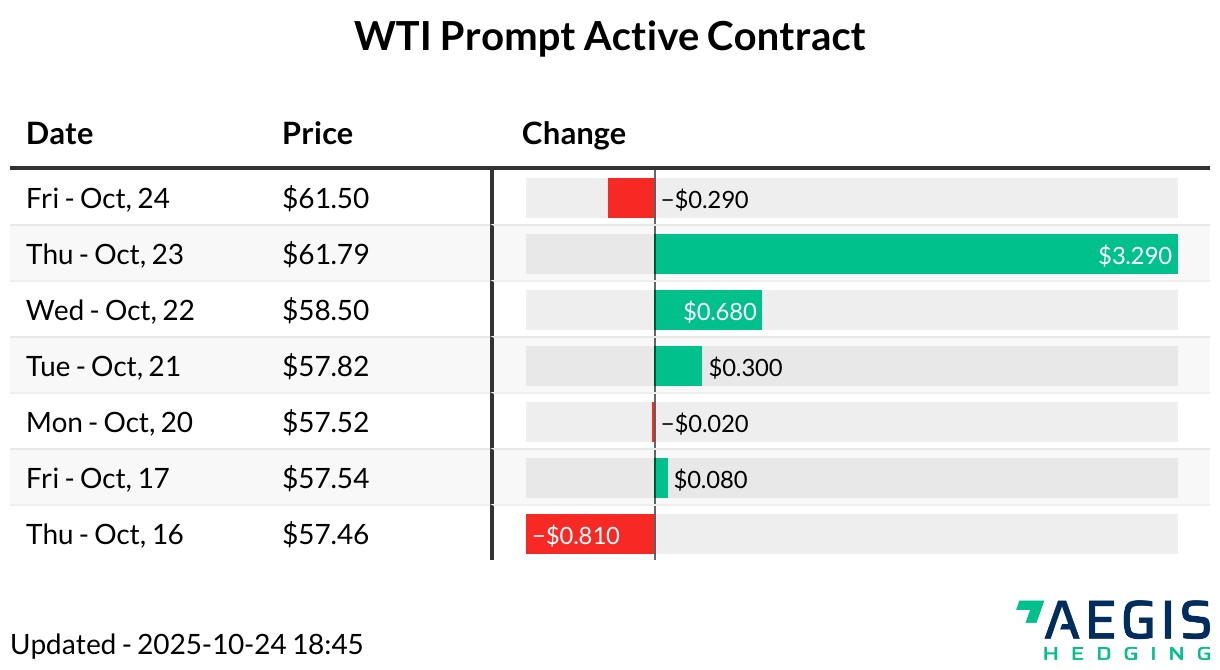
The prompt-month contract fell $3.40 to $103.02/bbl on Tuesday morning (7:30 AM CT)
Prices eased after Monday’s rally, with the four-week ceasefire technically holding despite renewed clashes in the Strait of Hormuz and reported strikes targeting the United Arab Emirates
Tensions escalated Monday following President Trump’s announcement of “Project Freedom,” framed as an effort to assist neutral vessels stranded in the Gulf with safe passage through Hormuz
US officials are advising vessels to route through Oman’s territorial waters, though large-scale naval escort support remains limited
Analysts continue to view transit risk as elevated, likely limiting any meaningful or sustained recovery in shipping flows
Goldman highlights tightening product balances
Global oil inventories are estimated to have fallen to their lowest levels in roughly eight years, with coverage projected to decline to 98 days of demand by end-May from around 101 days currently
Near-term supply risks are most pronounced in petrochemical feedstocks such as naphtha and liquefied petroleum gas, along with jet fuel shortages across Europe and parts of emerging Asia outside China
Natural gas falls as seasonal heating demand end is in sight
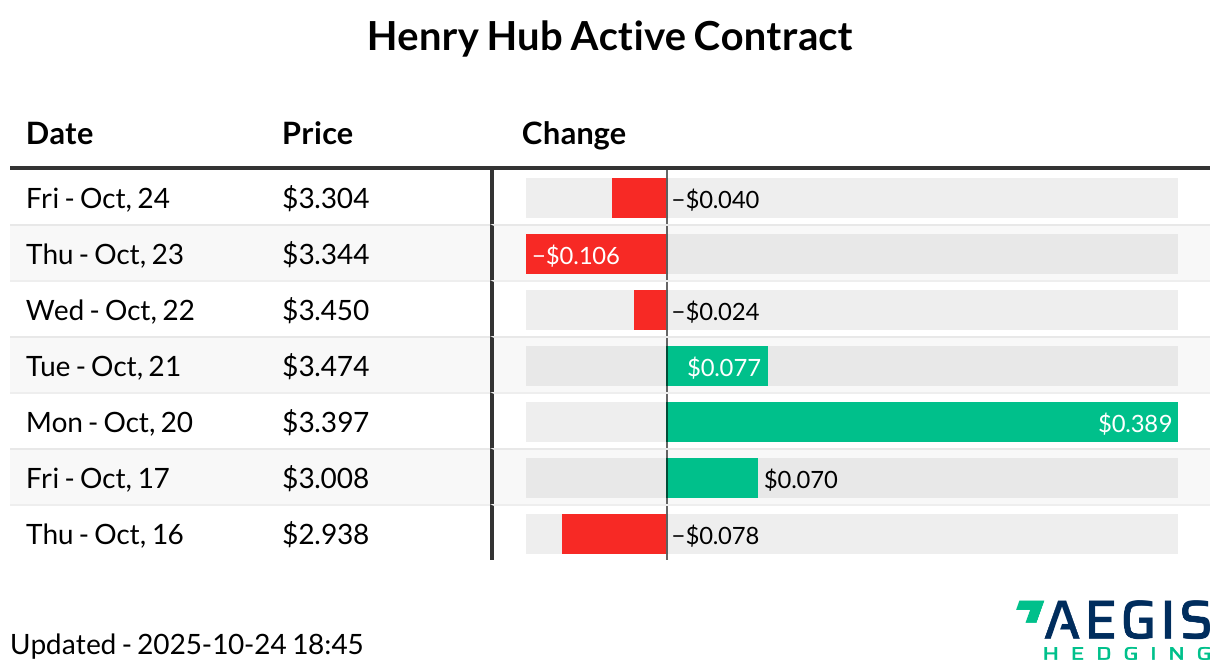
Natural gas is up 0.2c to $2.782/MMBtu (As of 07:30 AM CDT)
Storage week temperatures are expected to climb into the upper 60s over the next two weeks
CDD-driven demand is beginning to dominate the Lower 48 weather-related demand outlook
There are only around 5 more HDDs in the forecast period
Power demand increased by 2.3 Bcf/d this morning to 32.4 Bcf/d (Criterion)
Last year, Rescom demand averaged 9.5 Bcf/d in May through September, and it usually stayed within the 8-11 Bcf range
Power demand last year averaged 41.1 Bcf/d, with a much wider range (S&P)
Power demand will be more impactful to the supply-demand balance than residential demand