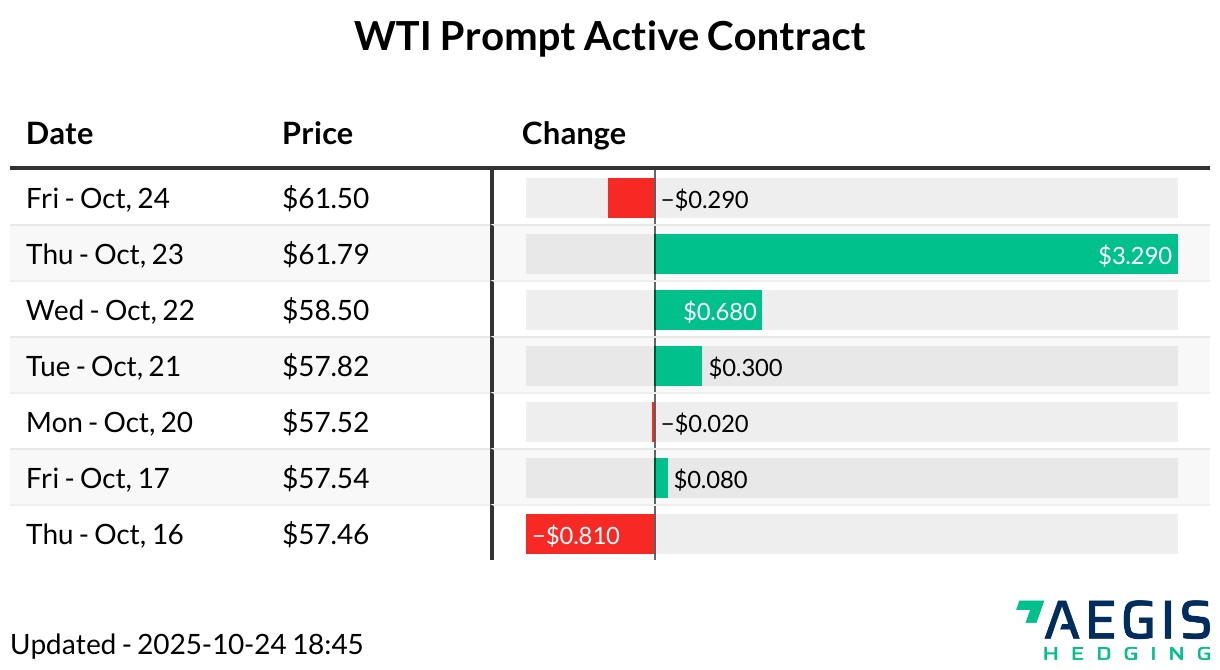
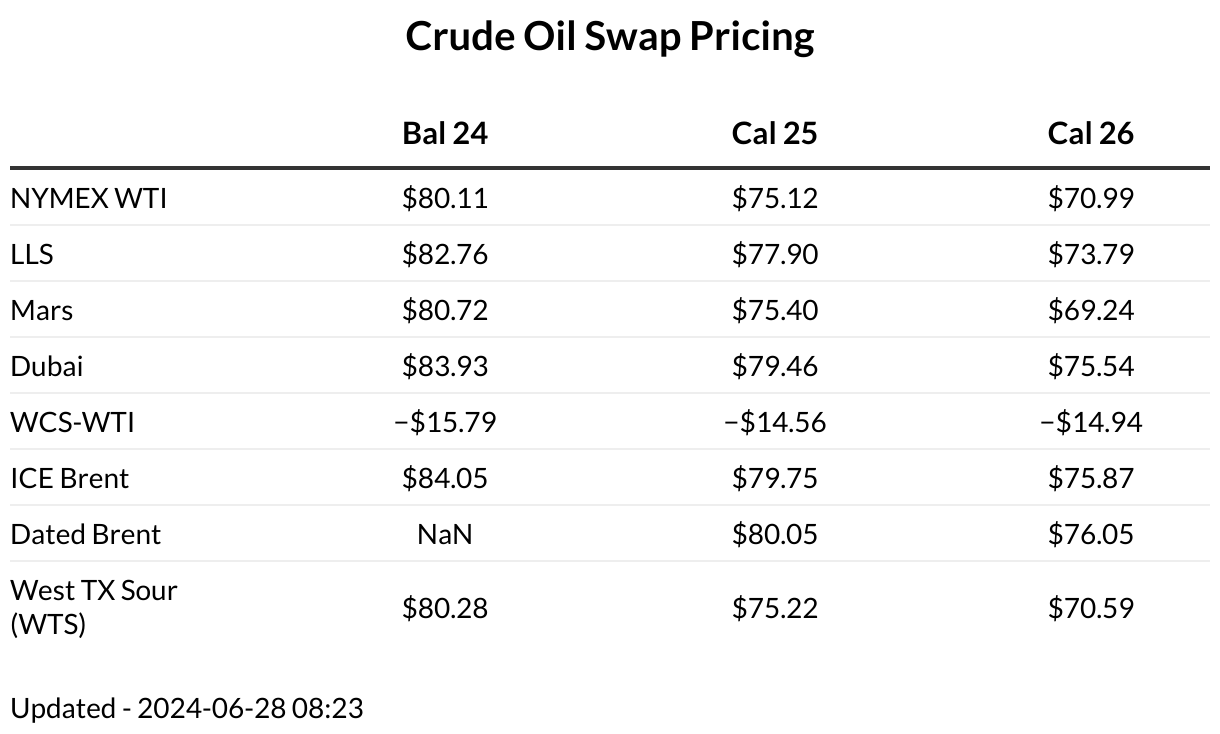
The WTI prompt-month contract fell $19.55 to $93.40/bbl on Wednesday morning (7:30 AM CT)
Crude futures dropped sharply after the US and Iran agreed to a two-week ceasefire tied to reopening the Strait of Hormuz
Pakistan’s ceasefire proposal provides both sides room to de-escalate, marking a shift away from prior maximalist positions but remaining an early step in what are expected to be difficult negotiations, with talks set to be hosted Friday
Iran will allow transit through the Strait during the ceasefire but under coordination with its armed forces and subject to technical limits, while insisting on maintaining control in any longer-term agreement
Timing of normalized transit remains uncertain given the Strait handles roughly one-fifth of global oil and LNG flows, with the earlier halt in traffic driving the recent price spike
The latest STEO from the EIA estimates crude production shut-ins averaged 7.5 MMbbl/d in March and will peak near 9.1 MMbbl/d in April, with the agency assuming disruptions persist through the end of April
Natural gas falls as L48 production continues to slide
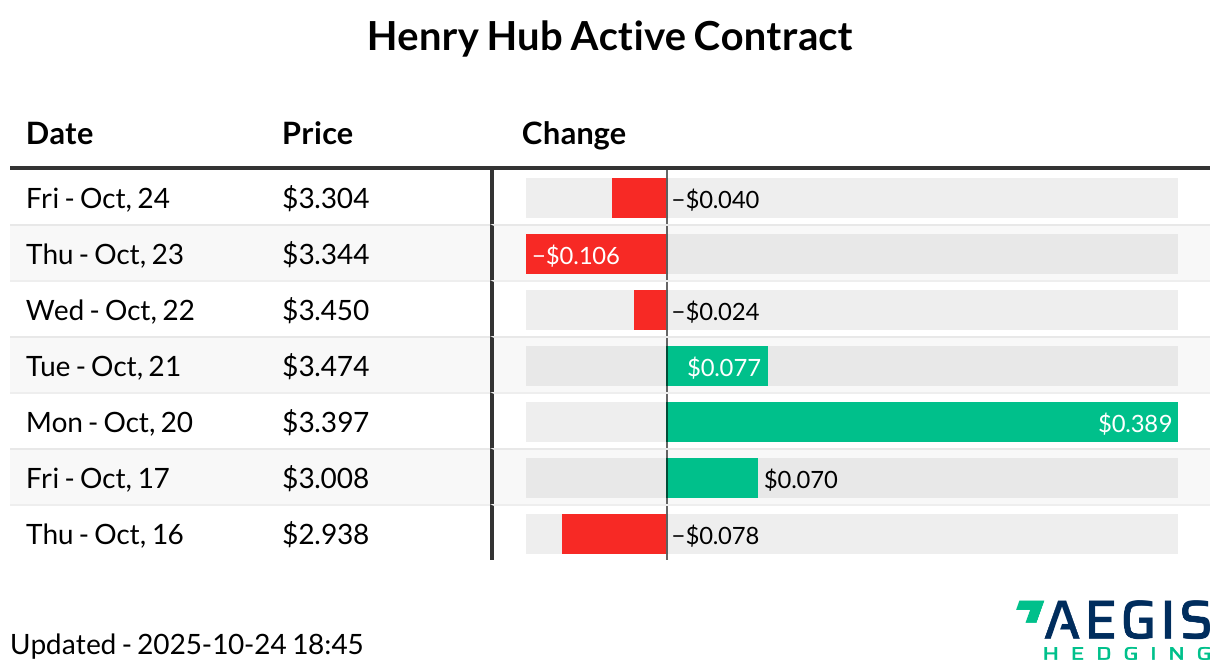
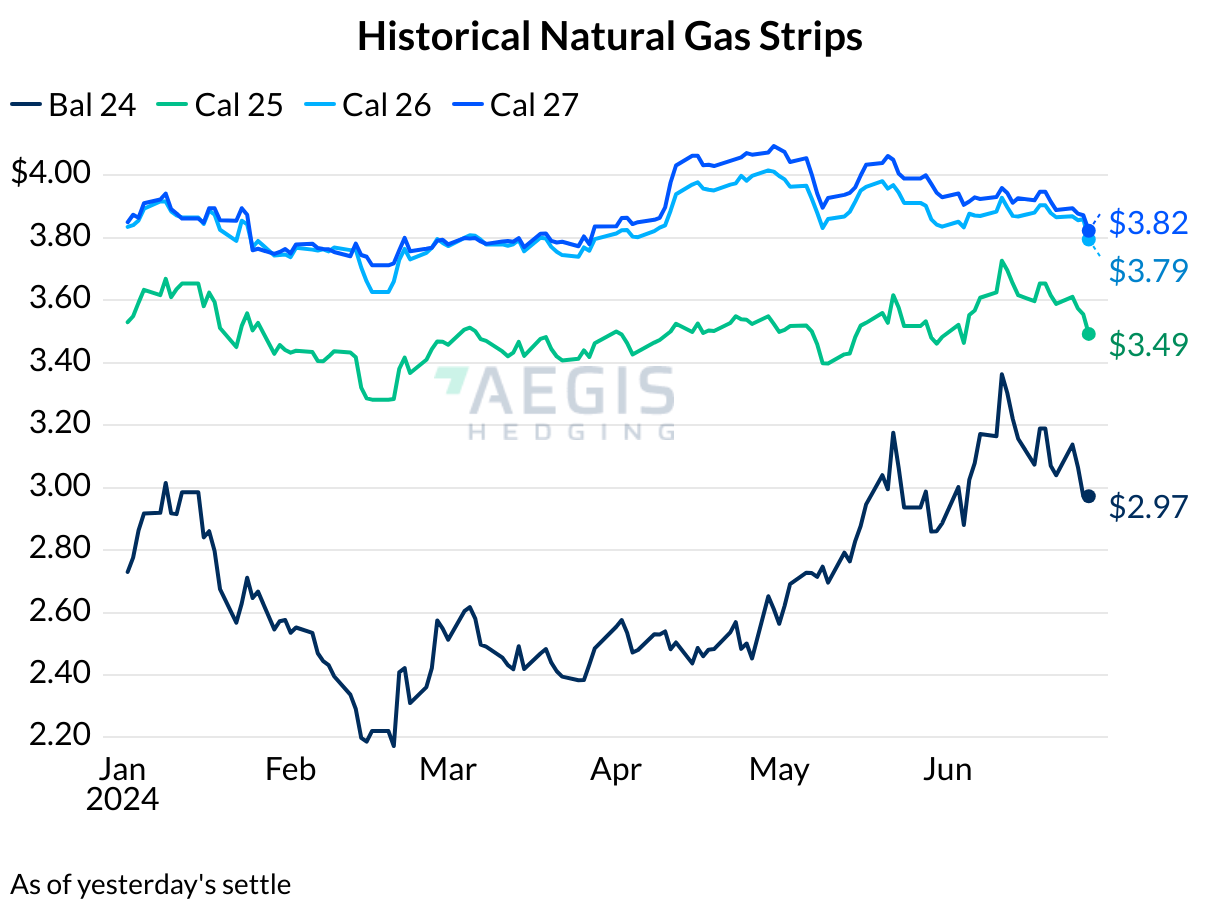
Natural gas is down -9.4c to $2.776/MMBtu (As of 07:30 AM CT)
Production slipped -0.5 Bcf/d today marking a fresh two-week low (Criterion)
Canadian imports fell -0.9 Bcf/d as the short-lived rescom demand unwound
Total demand eased -4.4 Bcf/d as temperatures rebound
There was around a 9°F gain in population weighted average L48 temperatures this morning
Temperatures are expected to hover above the 10 year average throughout the forecast period
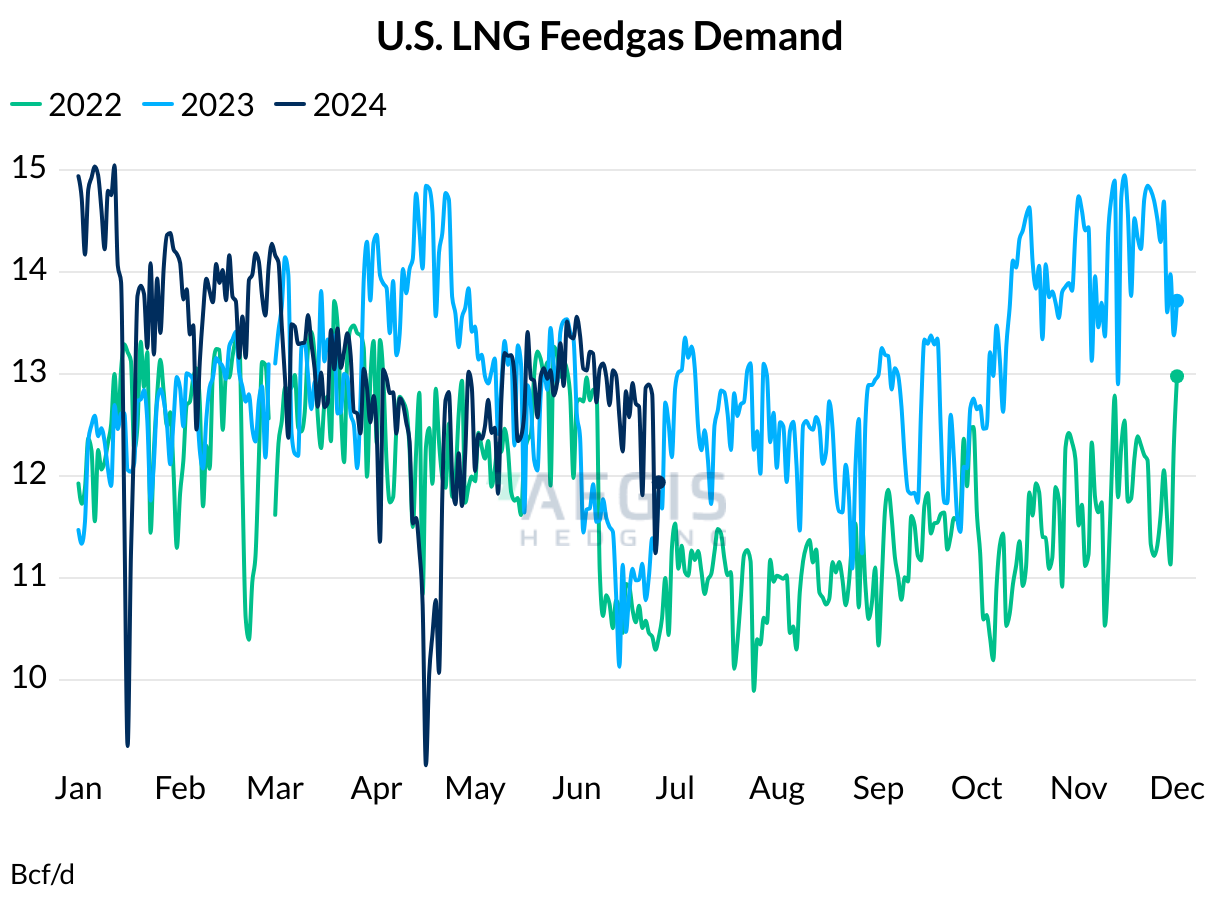
LNG feedgas demand sharply rebounded 1.1 Bcf/d back to 20.5 Bcf/d
West Texas spot and forward gas prices plunge (S&P)
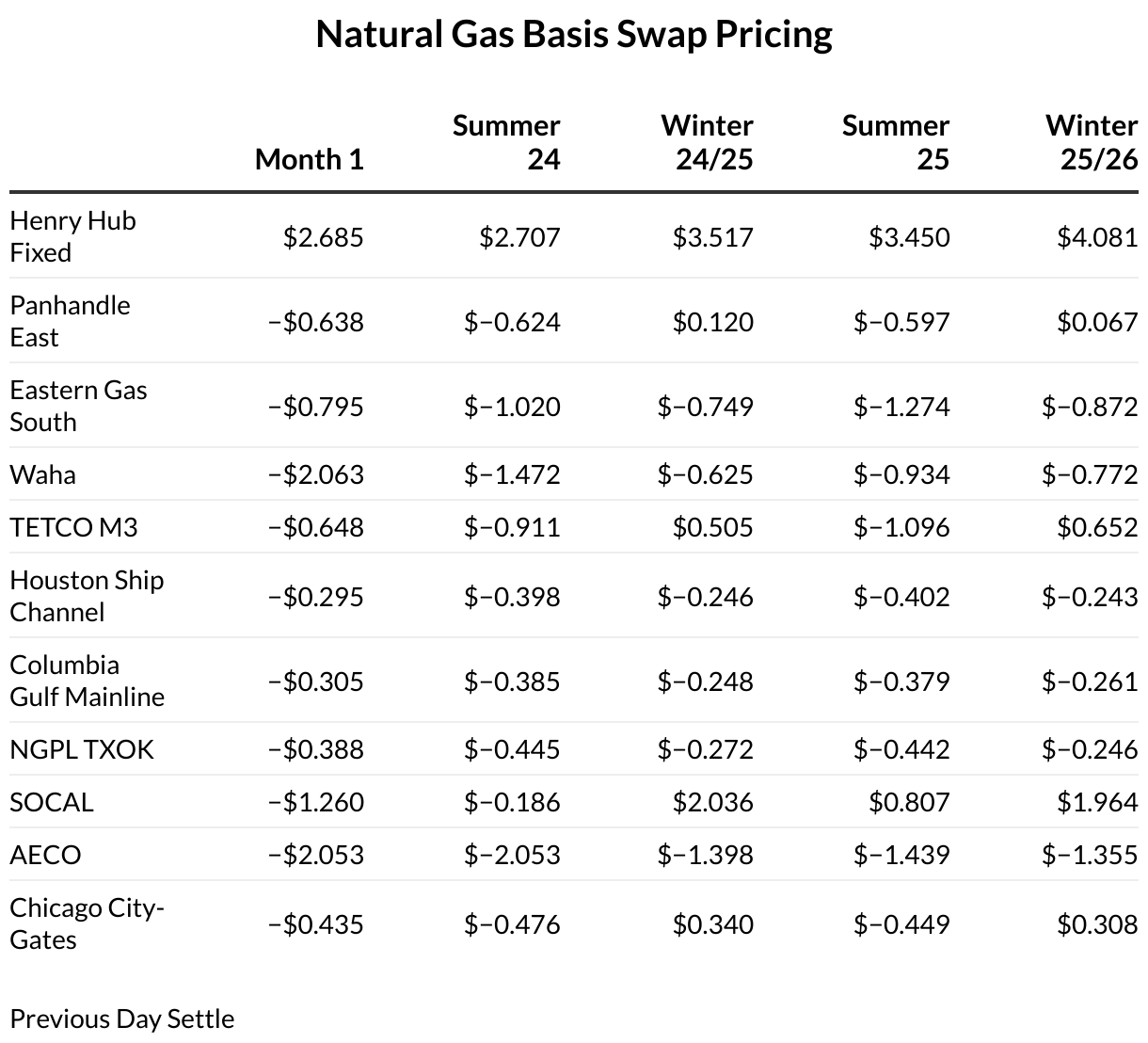
Takeaway capacity constraints compounded by pipeline maintenance are sending Waha cash price to fall close to $-7.00/MMbtu
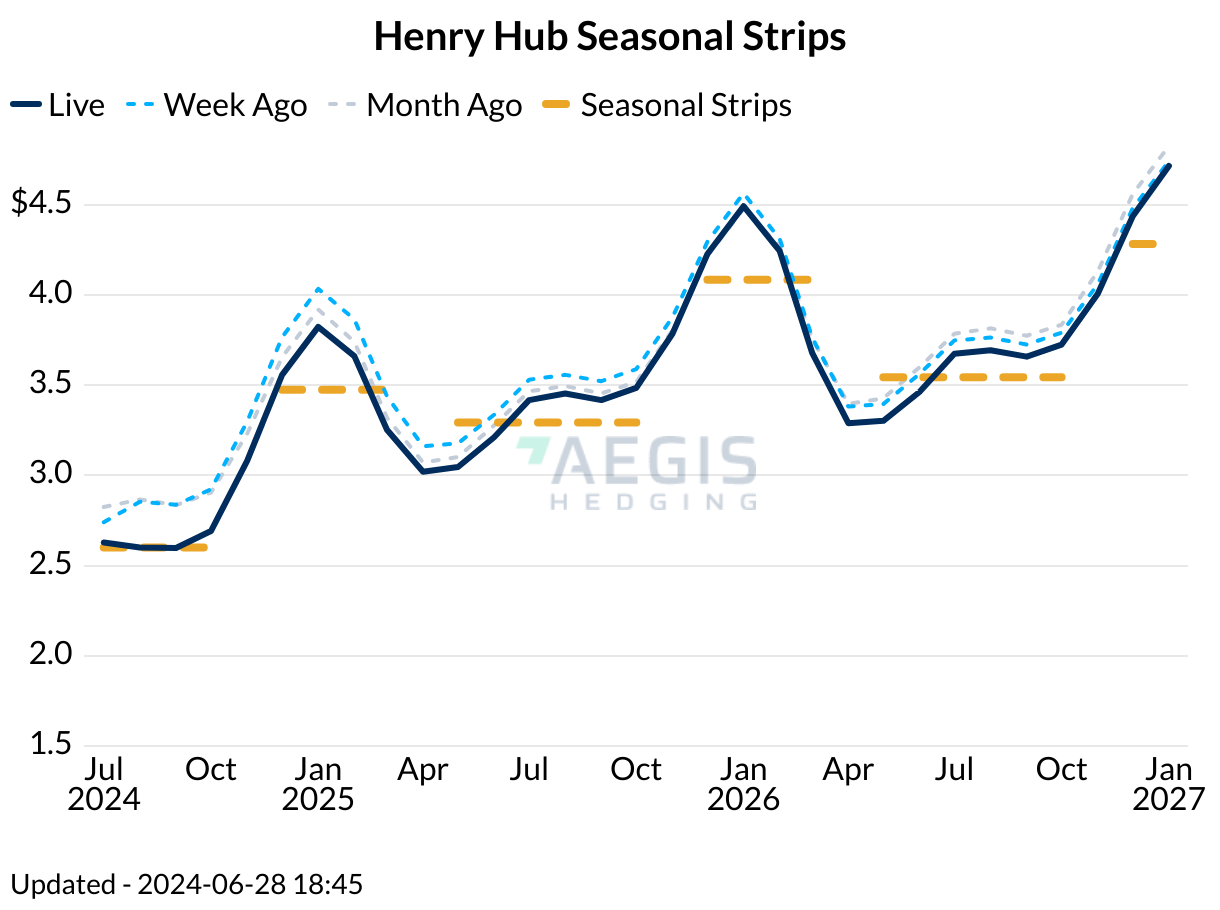
Egress capacity is expected to rise throughout the year, but the Waha Fixed forward curve is negative until later this year when Blackcomb and Hugh Brinson pipelines come online
Get market insights delivered to your Inbox every day!