Energy infrastructure comes under continued attack
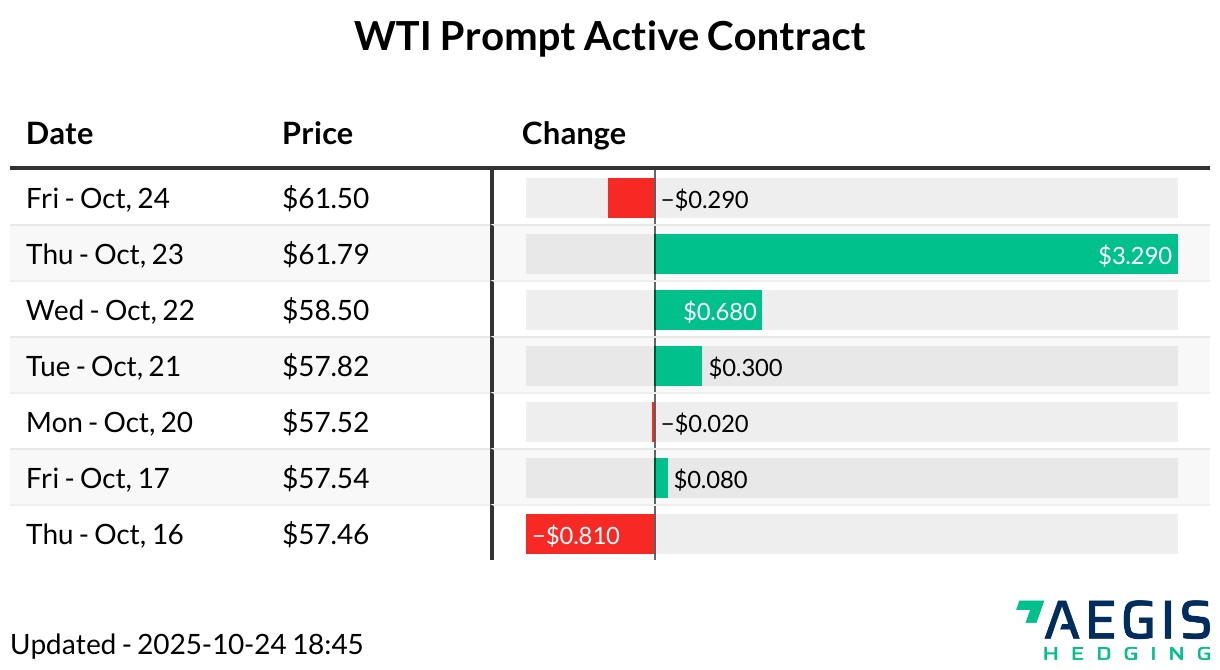
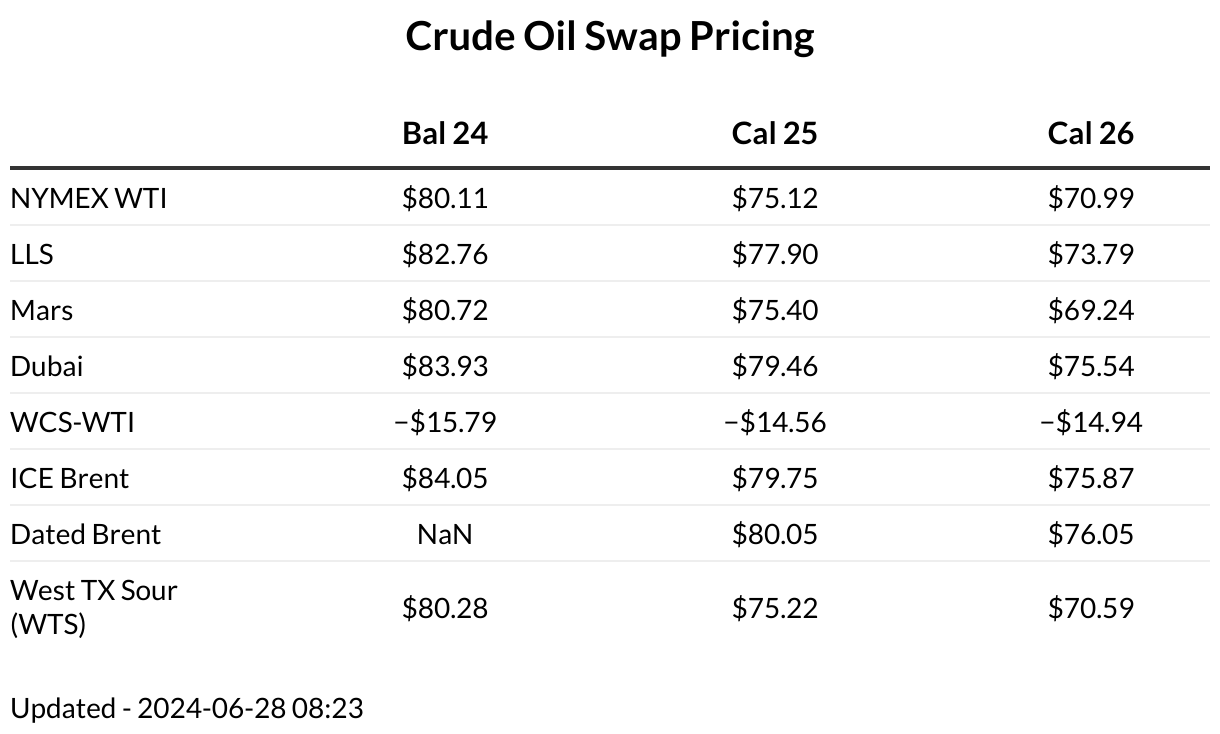
The WTI prompt-month contract gained $0.37 to $96.69/bbl on Thursday morning (7:30 AM CT)
Following strikes on Iran’s South Pars gas field, Iran launched a missile that damaged Qatar’s Ras Laffan complex, home to the world’s largest LNG export facility
Exports from Saudi Arabia’s Red Sea coast, a key alternative route while the Strait of Hormuz remains shut, were briefly disrupted following retaliatory strikes by Iran according to Bloomberg
Treasury Secretary Scott Bessent indicated the US is evaluating potential sanctions relief on Iranian crude to help ease elevated energy prices
Officials are also considering a unilateral SPR release to cap price gains, though direct intervention in financial markets is not being pursued
Vice President JD Vance is scheduled to meet with oil industry executives on Thursday
The WTI-Brent spread widened, with WTI’s discount to Brent reaching $20/bbl before narrowing
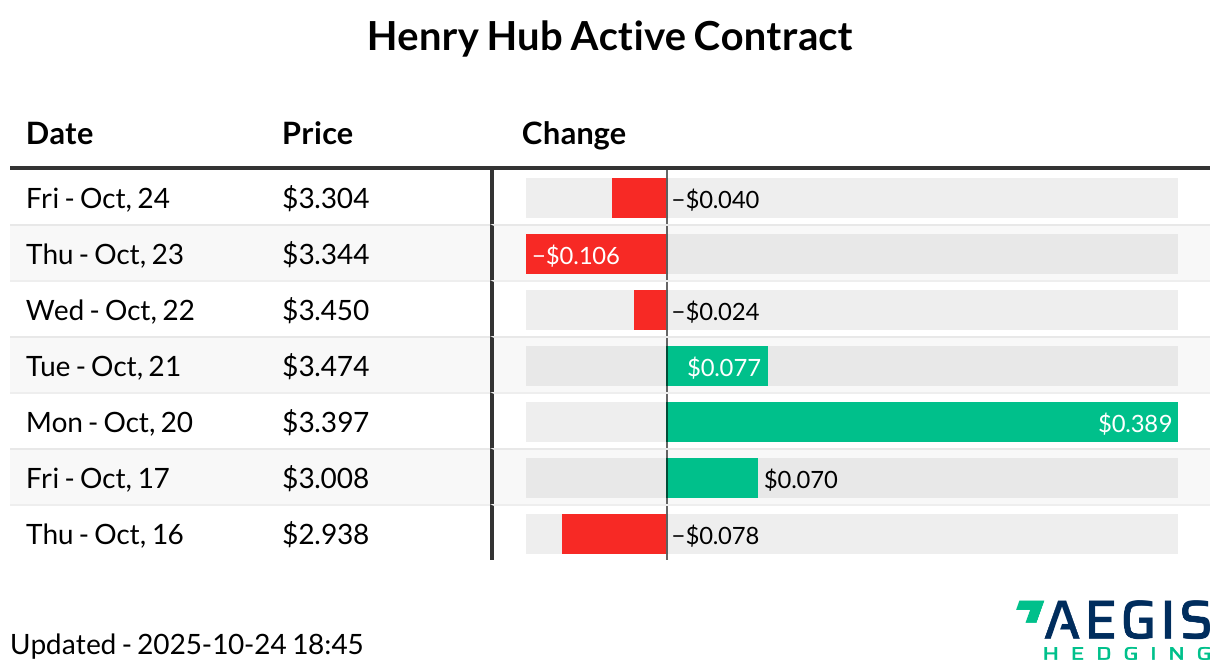
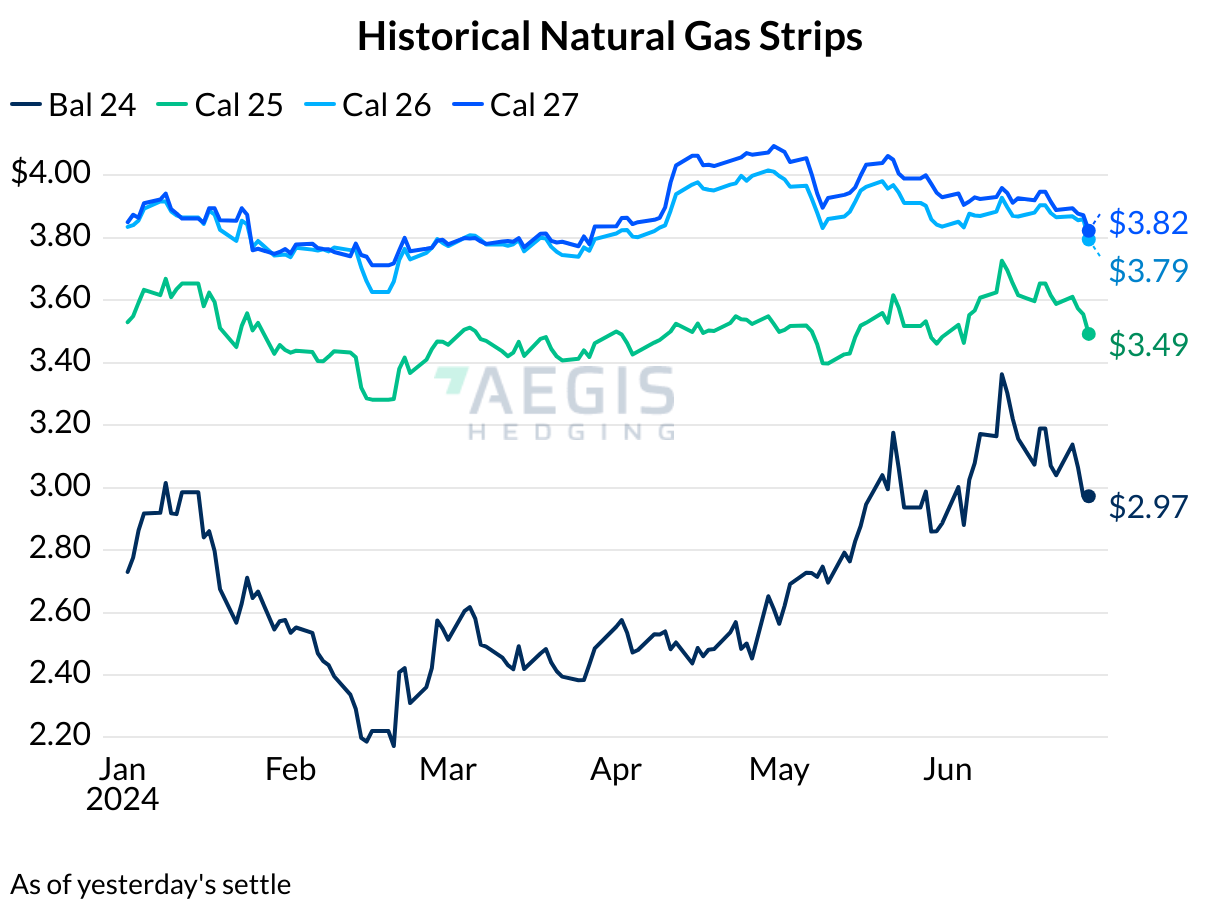
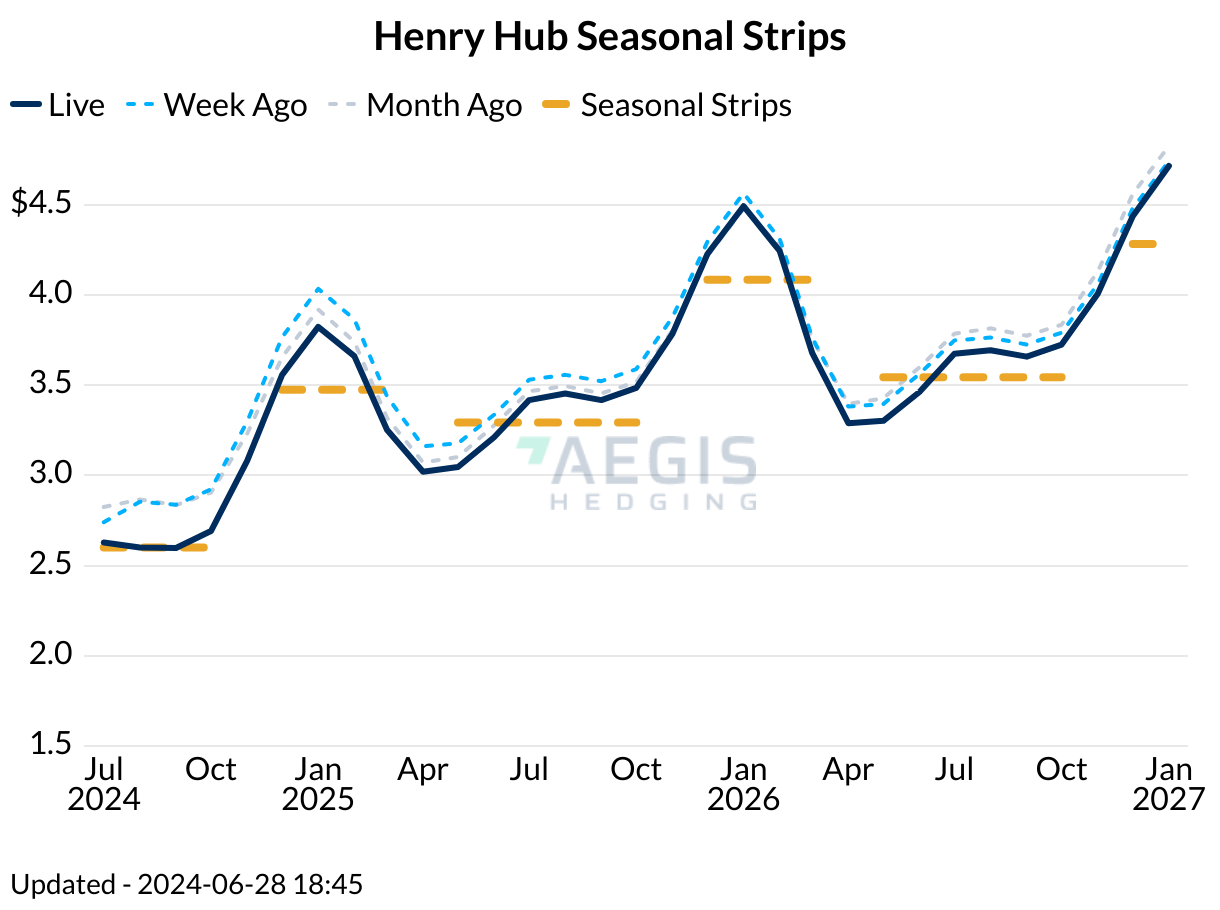
Natural gas prompt month is up 12.8c to $3.193/MMBtu. (As of 07:30 AM CT)
Weather forecasts were mostly flat this morning
Gains in the Midwest and Northeast 1–5-day range were almost completely offset by losses in the 6–10-day range in the Northeast, Southeast, and South Central (Criterion)
Despite the slight change, forecasts remain mostly in line with the 10 year normal
The EIA will release its weekly natural gas storage report today, with Bloomberg survey showing a median expectation of a 39 Bcf build
Iran strikes Qatar’s LNG facilities at Ras Laffan in escalating Gulf conflict (Bloomberg)
LNG production at Ras Laffan was already offline after the March 2 attacks
Structural assessments have yet to be disclosed, but this will likely push back the restart date of the facility
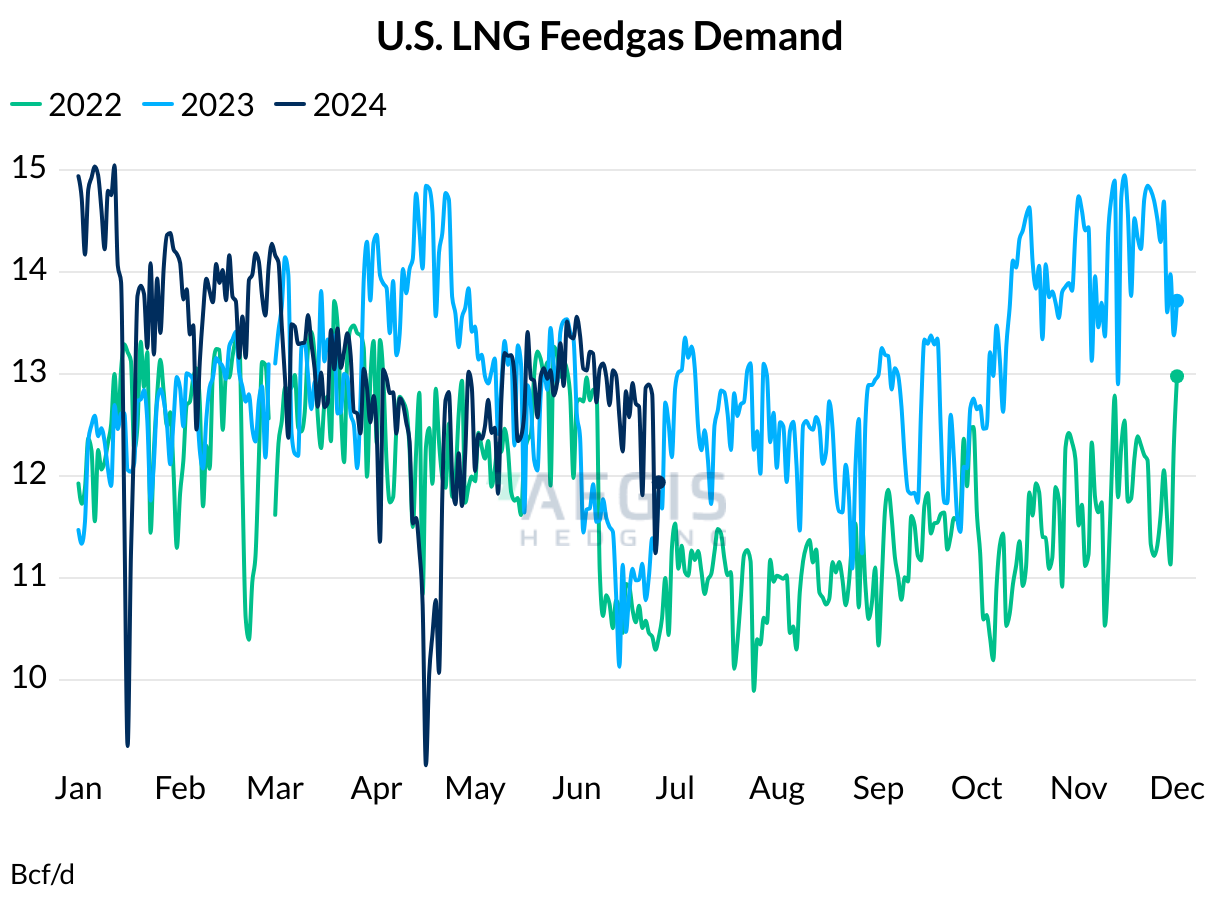
US LNG continues to run at full capacity, so disruptions to global supply have little impact on US spot prices
Get market insights delivered to your Inbox every day!